
In the ongoing battle to preserve our planet’s biodiversity and combat climate change, few issues loom as large as deforestation. This widespread practice of clearing forests for agriculture, urbanization, and logging has profound and far-reaching consequences for both ecosystems and human communities worldwide.
What is Deforestation?
Deforestation refers to the large-scale removal of forests, primarily driven by human activities. These activities include:
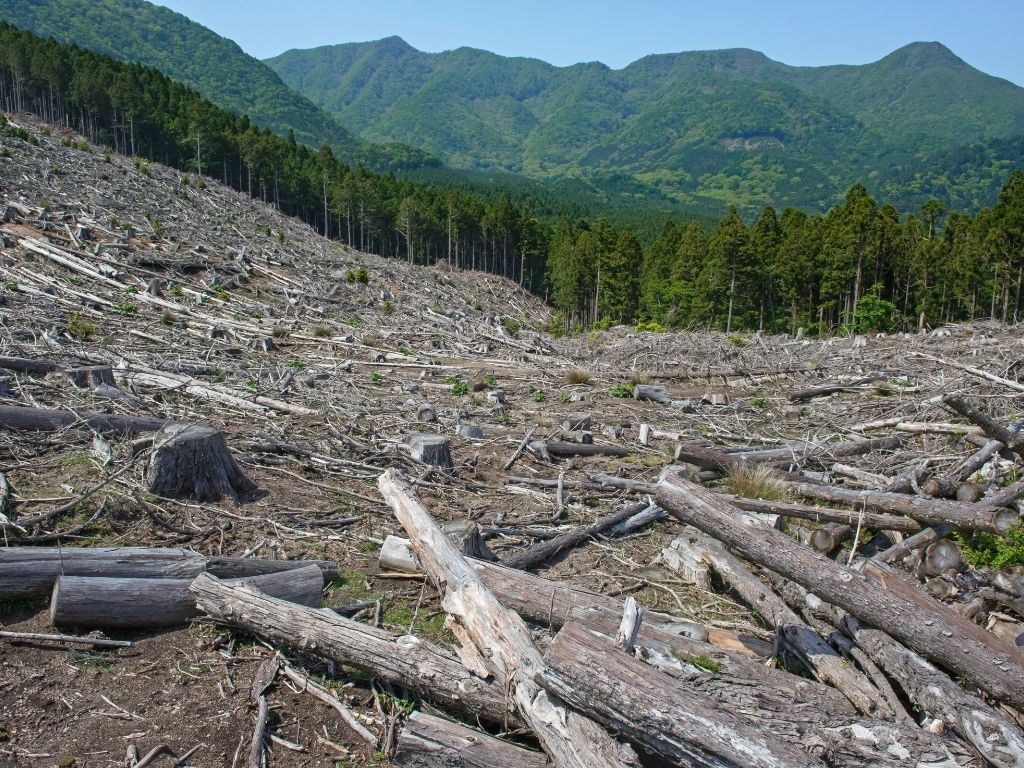
Agricultural Expansion: Clearing forests to make way for crops, pastureland, and industrial agriculture.
Some 80% of global deforestation is a result of agricultural production, which is also the leading cause of habitat destruction. Animal agriculture — livestock and animal feed is a significant driver of deforestation, and is also responsible for approximately 60% of direct global greenhouse gas (GHG) emissions
Logging: Extracting timber for construction, paper production, and other wood-based industries. Logging can be very profitable and therefore hundreds of thousands of trees are cut down every year to be sold. Rarer trees fetch a higher market value and therefore they are targeted by loggers, which is reducing biodiversity and causing some species to become endangered.

Infrastructure Development: Building roads, dams, and urban areas that necessitate clearing forests. It can lead to the loss of vital habitats, carbon sinks, and biodiversity hotspots. The conversion of forested land to accommodate new roads, buildings, or agricultural developments disrupts the natural landscape.
Environmental Impact
The impact of deforestation is staggering and multifaceted:
Loss of Biodiversity: Forests are home to an estimated 80% of terrestrial species. Deforestation disrupts ecosystems, leading to habitat loss and species extinction. Rain forests also absorb massive amounts of carbon dioxide (CO2). About 31% of Earth’s land surface is covered by forests. Deforestation can directly lead to biodiversity loss when animal species that live in the trees no longer have their habitat, cannot relocate, and therefore become extinct.
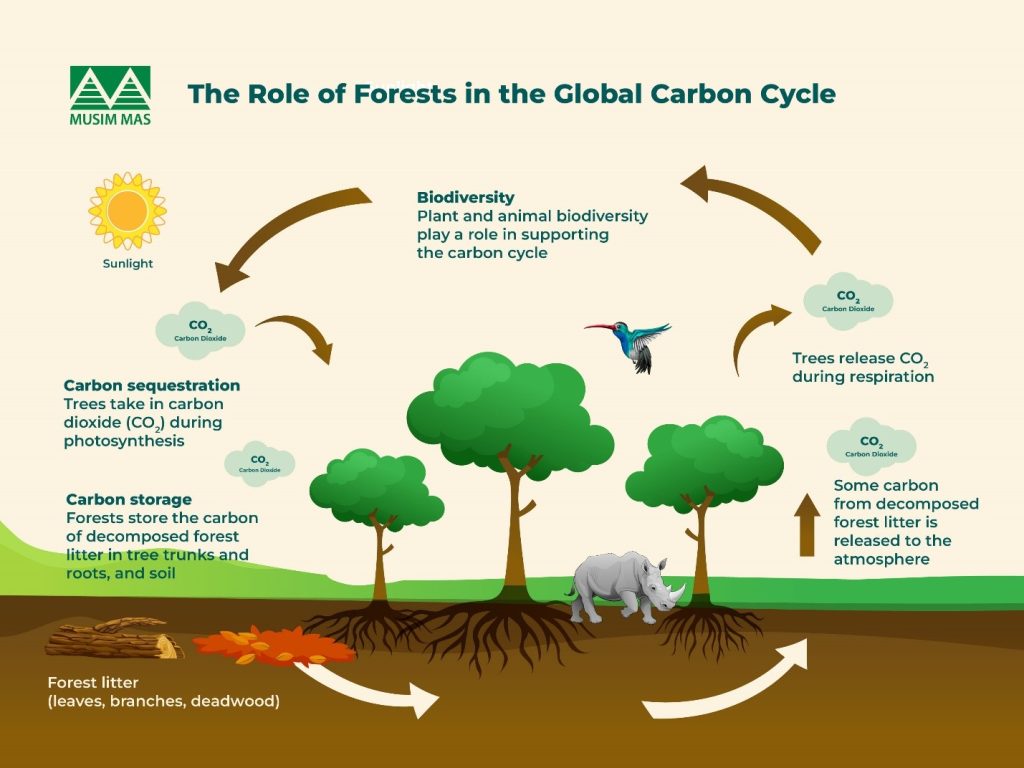
Climate Change: Forests act as carbon sinks, absorbing CO2 from the atmosphere. Deforestation releases stored carbon back into the air, contributing significantly to greenhouse gas emissions. When deforestation occurs, much of the carbon stored by trees is released back into the atmosphere as carbon dioxide, which contributes to climate change. In the last decade, the largest amounts of deforestation occurred across the humid tropics, mostly in Africa, followed by South America.
Human Consequences
Deforestation also impacts human communities:
Indigenous Peoples: Indigenous communities often depend on forests for their livelihoods, including hunting, gathering, and agriculture. Deforestation can result in the loss of these resources, threatening their food security and cultural practices

Economic Impact: Deforestation has significant economic impacts globally and locally. It reduces vital ecosystem services, diminishes agricultural productivity, threatens biodiversity-related industries, escalates climate change costs, undermines local livelihoods, and disrupts global commodity markets, leading to increased regulatory and legal burdens. Forests provide resources like timber, fruits, and medicinal plants. Their destruction can disrupt local economies and livelihoods
Climate Refugees: Environmental degradation due to deforestation can force communities to migrate in search of food, water, and shelter. Refugee movements tend to produce uncontrolled modifications for example trees are being cut down to create space for shelter, farmland and wood fuel at the rate at which the environment cannot replenish causing the “refugees, often women and children, to search increasingly further away putting them at increased risk
Solutions and Conservation Efforts
Addressing deforestation requires a multifaceted approach:
Conservation: Protecting existing forests through national parks, reserves, and sustainable management practices.
Reforestation: It stands as a pivotal solution and conservation effort against deforestation. By reintroducing trees to areas that have been cleared, reforestation serves to restore crucial ecosystem services such as water cycle regulation, soil stabilization, and carbon sequestration, thereby mitigating climate change impacts. It also fosters biodiversity conservation by recreating habitats for diverse plant and animal species. Engaging local communities in tree planting and forest management initiatives not only supports sustainable livelihoods but also enhances resilience to climate change by fortifying ecosystems against extreme weather events. Moreover, reforestation efforts combat desertification, improve soil fertility, and boost agricultural productivity. Globally, reforestation contributes to carbon sequestration, playing a vital role in reducing greenhouse gas emissions and advancing sustainable development goals that balance environmental conservation with economic progress.

Policy and Governance: Effective legal frameworks enforce sustainable forest management and combat illegal logging. Governments designate and manage protected areas, promote certification schemes like FSC, and utilize advanced monitoring technologies to track deforestation and enforce regulations. Financial incentives and international agreements encourage sustainable practices, while securing land tenure rights for communities and Indigenous Peoples supports their role in forest stewardship. Public education campaigns raise awareness and support for conservation efforts, ensuring comprehensive strategies to combat deforestation globally.
Consumer Awareness: Consumer awareness plays a crucial role in addressing deforestation by encouraging individuals to support products sourced from sustainably managed forests and reducing demand for goods linked to deforestation. When consumers choose products certified by organizations like the Forest Stewardship Council (FSC), they support responsible forestry practices that prioritize biodiversity conservation and community rights. By boycotting products associated with deforestation, such as palm oil from unsustainable plantations or beef linked to Amazon rainforest clearance, consumers send a clear message to industries about the importance of preserving forests. This awareness empowers consumers to make informed choices that contribute to global efforts to combat deforestation, protect ecosystems, and promote sustainable development practices worldwide.
Carbon Sequestration
Deforestation is not just an environmental issue; it is a global crisis with profound implications for biodiversity, climate stability, and human well-being. By understanding its causes, impacts, and solutions, we can work together to protect and restore our planet’s invaluable forests. Through collective action and informed decision-making, we have the power to shape a more sustainable future for generations to come.


