
Discover valuable resources and educational tools to deepen your understanding and commitment to environmental conservation.
Discover how your daily activities impact the environment. Use our carbon footprint calculator to measure your carbon emissions and find ways to reduce your impact.

Climate change is one of the most pressing issues of our time, and urgent action is needed to mitigate its impacts. By reducing our carbon footprint, transitioning to renewable energy, and promoting sustainable practices, we can ensure a livable future for all.

Single- use plastics are a scourge on our oceans, harming marine life and contaminating the food chain. By reducing the use of plastics and promoting sustainable alternatives, we make a significant impact on protecting our planet.
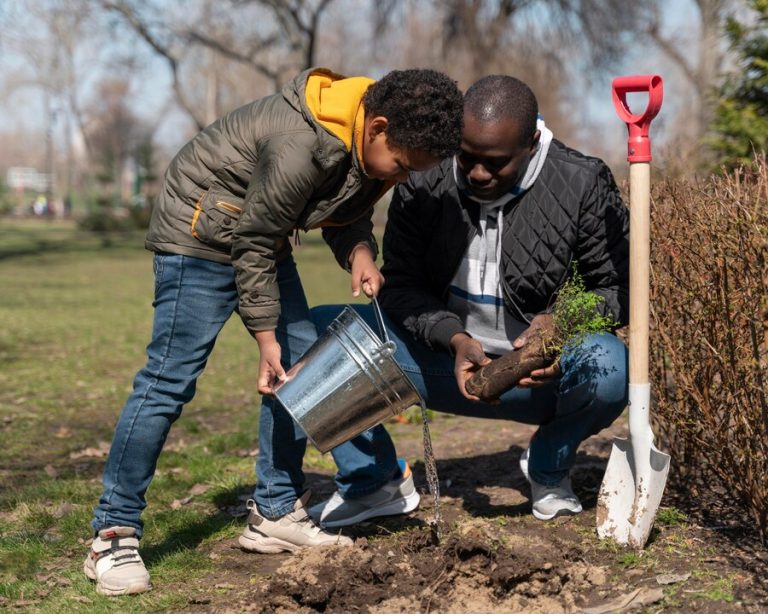
Today, the ICT club members embarked on a remarkable journey towards environmental conservation by planting trees in our community. As we dug and planted, we knew the vital role played by trees in absorbing carbon dioxide, producing oxygen, and supporting local wildlife.
Climate Change Mitigation: Trees are natural carbon sinks, absorbing carbon dioxide from the atmosphere and storing it in their biomass. This helps mitigate climate change by reducing greenhouse gas concentrations and combating global warming.
Improving Air Quality: Trees filter pollutants from the air, such as particulate matter and nitrogen dioxide, thereby improving air quality and reducing respiratory health issues in urban and rural areas alike.
Biodiversity Conservation: Trees provide habitat and food for a wide variety of wildlife species, supporting biodiversity and ecosystem resilience. By planting native tree species, we help restore habitats and create corridors for wildlife movement.
Erosion Control and Soil Health: Tree roots bind soil particles together, preventing erosion and maintaining soil stability. They also improve soil fertility through nutrient cycling and organic matter decomposition.
Water Management: Trees play a crucial role in regulating water cycles. They help prevent flooding by absorbing and slowing down rainwater runoff, replenish groundwater reserves, and contribute to watershed health.
Enhancing Urban Spaces: Urban tree planting enhances the aesthetic appeal of neighborhoods, provides shade and cooling effects, reduces urban heat island effects, and promotes community well-being and social cohesion.
Economic Benefits: Trees provide economic benefits through improved property values, energy savings from shading buildings, and opportunities for sustainable forestry and agroforestry practices.
Education and Awareness: Tree planting initiatives raise awareness about the importance of environmental conservation and empower individuals to take proactive steps towards sustainability.
By participating in tree planting initiatives, individuals and communities can contribute directly to environmental conservation efforts and create a positive impact on local ecosystems and global sustainability goals.

Avoiding the use of polyethylene bags and adopting eco-friendly alternatives, such as reusable bags made from natural materials or biodegradable substitutes, is crucial for mitigating environmental damage and preserving the health of our planet. Proper disposal methods, such as recycling or using designated waste management systems, are essential to prevent polyethylene bags from contaminating water bodies and ecosystems.
Campaign Strategies
The success of Tuve Ku Kaveera campaigns lies in their innovative strategies and community engagement.
Public Outreach: Through media campaigns, educational workshops, and community events, the campaigns reach diverse audiences, fostering a culture of environmental responsibility.
Partnerships: Strong partnerships with government agencies, NGOs, businesses, and local communities amplify the campaigns’ impact and create a united front against plastic pollution.
Empowerment: By empowering individuals with knowledge and alternatives, the campaigns inspire behavioral changes that contribute to cleaner environments and healthier ecosystems.
The importance of this campaign
Environmental Preservation: By reducing plastic waste, especially single-use plastics like bags, the campaigns help preserve Uganda’s natural landscapes, waterways, and wildlife habitats. This contributes to maintaining biodiversity and ecosystem health.
Public Health: Plastic pollution can contaminate soil and water sources, posing risks to human health through the ingestion of microplastics and chemicals leached from plastics. Decreasing plastic waste improves community health outcomes.
Sustainable Development: Addressing plastic pollution aligns with global sustainability goals, promoting responsible consumption and production patterns. It supports Uganda’s efforts towards sustainable development by reducing environmental degradation and promoting resource efficiency.
Community Empowerment: The campaigns empower local communities by providing knowledge and alternatives to single-use plastics. This fosters a sense of environmental stewardship and encourages sustainable practices that benefit both present and future generations.
Policy Influence: By advocating for policy changes and regulations on plastic use and disposal, the campaigns contribute to systemic changes that can have broad-reaching impacts beyond individual behavior change.

Community Clean-Ups
Join us in taking direct action to preserve our environment through community clean-up events. These initiatives are crucial in tackling litter and waste and promoting clean and healthy spaces for both people and wildlife. We organize regular community clean-ups with the following objectives:
Improving Local Environments: Clean-ups focus on removing litter and debris from parks, beaches, waterways, urban areas, and natural habitats. By restoring these spaces, we contribute to the well-being of our communities and ecosystems.
Raising Awareness: Clean-up events serve as opportunities to educate participants and the public about the impact of litter on the environment, wildlife, and human health. We aim to inspire behavior change and promote responsible waste disposal practices.
Building Community Spirit: Volunteers from diverse backgrounds come together to work towards a common goal. Clean-up events foster a sense of community pride and empowerment, strengthening social ties and collective action for environmental stewardship.
Monitoring and Advocacy: Data collected during clean-ups provide insights into local waste patterns and pollution hotspots. This information supports advocacy efforts for better waste management policies and environmental protections.
Youth Engagement: Engaging young volunteers in clean-up activities instills environmental values early on and empowers them to become future leaders in conservation.
Participating in community clean-ups is a meaningful way to make a visible impact on your surroundings and contribute to a cleaner, healthier planet. Everyone can play a part in creating positive change.

We believe in the power of education to inspire change and foster a deeper connection to the natural world. Our environmental education programs aim to:
Raise Awareness: Educate students, educators, and the community about pressing environmental issues such as climate change, biodiversity loss, and habitat destruction.
Promote Sustainable Practices: Teach practical skills and knowledge on sustainable living, waste reduction, energy conservation, and water management to encourage eco-friendly behaviors.
Connect People with Nature: Foster a sense of stewardship and appreciation for the environment through hands-on experiences, outdoor activities, and nature-based learning.
Empower Future Leaders: Equip young people with the tools and resources to become environmental advocates and leaders in their communities.
Our environmental education programs are designed to be engaging, interactive, and tailored to various age groups and learning levels. Whether through classroom workshops, field trips, online resources, or teacher training sessions, we aim to inspire individuals to take action towards a more sustainable future.
Join us in empowering the next generation of environmental stewards and building a society that values and protects our planet’s natural resources.
The warmest year in Uganda and East Africa was 2023. It holds this record due to human-caused climate change. The average surface temperature globally has risen by about 1.48 degrees Celsius.
The warmest year in Africa was 2016, with a deviation temperature of 1.44 degrees Celsius above the average. It was primarily caused by human activities that release greenhouse gases into the atmosphere.
The warmest year on our planet was 2023, according to NASA’s analysis. That year, the entire world experienced high global temperatures.